
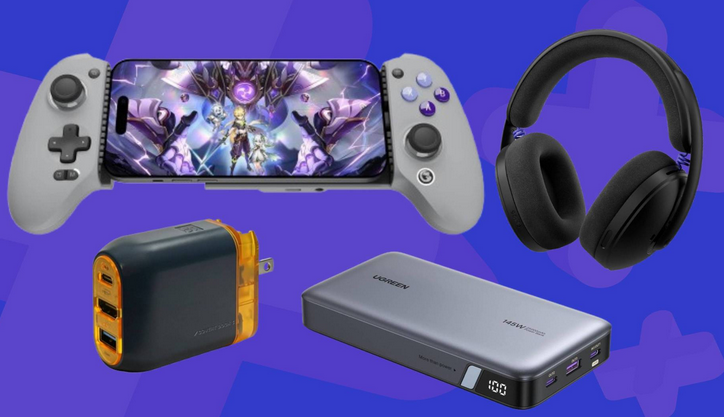
Most “best outdoor gaming gadget” lists give you a random pile of products and leave you to figure out how they fit together. That’s backwards. Outdoor gaming isn’t one thing — it’s five completely different scenarios with completely different needs. A backyard movie night with a projector needs different gear than a solo Steam Deck session on a park bench, which needs different gear than a multi-day camping trip, which needs different gear than a beach or festival session.
The smart way to build your outdoor gaming kit in 2026 isn’t buying “the best” of everything — it’s understanding which scenarios you actually play in, then investing in the specific gear that unlocks each one. Below is a scenario-based guide covering the five most common outdoor gaming setups, with the exact gadgets that make each one work, why they matter, and how to build up your kit efficiently over time. Pick the scenarios that match your real life, layer in the gear as budget allows, and skip the ones that don’t apply. This is how outdoor gaming actually gets built in 2026.
Scenario 1: The Backyard Cinema Night
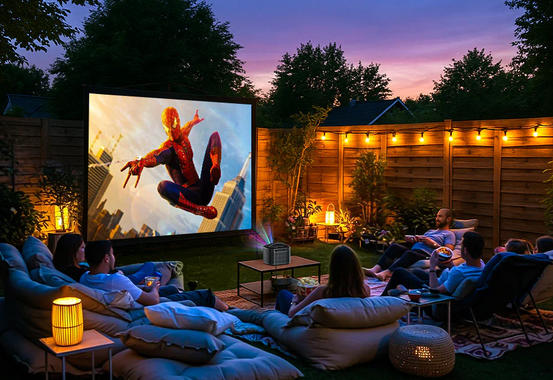
The setup: Projector on a stand, screen or wall, speaker, seating, evening ambience. You’re hosting friends or family, gaming on the big screen under the stars.
The centerpiece is the projector. A quality battery-powered projector like the XGIMI MoGo 4 Laser (around $679) or Nebula Capsule Air (around $399) turns any wall, sheet, or portable screen into a 100-inch gaming display. Both include Android TV, HDMI input, auto-keystone, and enough battery for a couple of hours before the power station takes over. The MoGo delivers noticeably brighter 1080p; the Capsule is more portable and cheaper.
Pair with a foldable portable projector screen ($89-179) for a crisp image, or hang a plain white sheet between two trees for a cheaper but genuinely fun look. Audio needs a proper Bluetooth speaker — the JBL Charge 5 Wi-Fi ($199) provides room-filling audio with 20-hour battery and IP67 waterproofing, or the Soundcore Boom Go 3i ($79) is the budget-friendly alternative with 15W output and 24-hour battery.
Round out the setup with a NEEWER camera tripod ($59-89) to elevate the projector to eye level (extends to 72 inches, supports up to 22 lbs), a solar bug zapper ($39-59) to keep evening mosquitoes at bay, and a long braided HDMI cable ($35-65) built for outdoor use. Total starter cost for the full backyard cinema: around $700-900 — cheaper than most home theater projectors and infinitely more flexible.
Get a backyard cinema starter kit: Check portable projectors on Amazon →
Scenario 2: The Solo Handheld Session
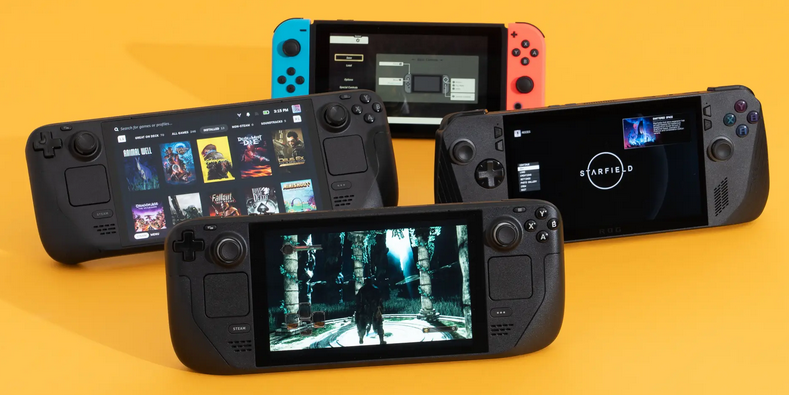
The setup: Just you, a handheld, and somewhere to sit outside — a park bench, hammock, balcony, or beach chair. No production value needed, just quality solo time.
The kit here is minimal by design. Beyond your handheld (Steam Deck OLED, ROG Xbox Ally, Nintendo Switch 2), the two essentials are audio and glare management. For audio, the SOL Republic Punk 2 ($59) clips to your bag with its built-in carabiner, offers 10+ hour battery, IP67 waterproofing, and pairs with any handheld in seconds. Alternatively, wireless earbuds like the SteelSeries Arctis GameBuds ($159) with active noise cancellation block ambient noise for immersive solo play.
Glare is the silent killer of outdoor handheld gaming. A basic clip-on sun shade ($15-25) attaches to your handheld and lets you see the screen even in bright conditions. For serious sun, the Xreal One Pro AR glasses ($549) project a giant virtual display in front of your eyes — but this is premium territory.
Add a compact power bank rated at 100W+ output (Anker or UGREEN, around $99) to keep gaming past your handheld’s built-in battery, and you’ve got a complete solo handheld kit that fits in a small daypack. Total cost: $180-800 depending on how premium you go. This is the cheapest outdoor gaming scenario to enter — and often the most peaceful.
Scenario 3: The Multi-Day Camping Trip
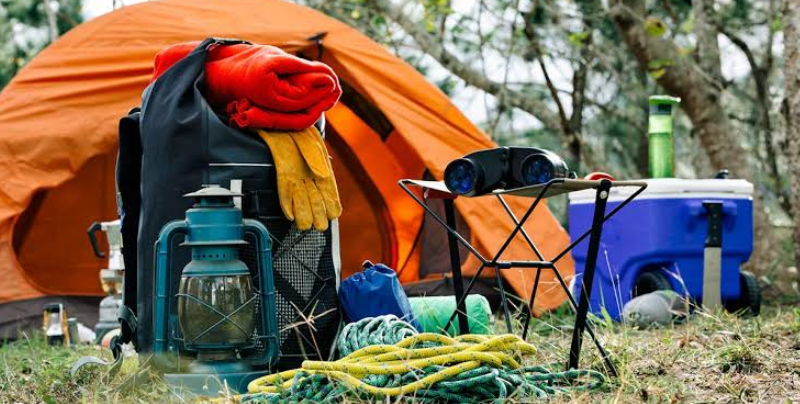
The setup: Off-grid or minimally-powered gaming across a weekend or longer. You need power that lasts, gear that packs down, and everything ruggedized for outdoor abuse.
Power is everything here. The Jackery Explorer 1000 Plus ($799) or Anker Solix C800 Plus ($599) both deliver 700-1000+ Wh of battery capacity — enough to run a handheld, portable monitor, and small speaker across a full weekend. The EcoFlow RIVER 3 Plus ($299) is the mid-size alternative for shorter trips. Pair any of them with a BigBlue 28W foldable solar panel ($59-79) to trickle-charge during the day and extend runtime indefinitely.
For gaming itself, a Uperfect 16-inch portable monitor ($169-249) transforms handheld play into a couch-replacement experience inside your tent or under a canopy. If you’re bringing multiple friends, consider the Nebula Capsule Air ($399) as an evening projector — it works brilliantly against a tent wall or hung sheet.
Protection matters more here than in any other scenario. A JSAUX BG0102 hard-shell case ($25-30) shields your handheld from drops and drops. A pop-up canopy tent ($179-299) creates shade during the day and blocks dew at night. And an outdoor cable kit with long, braided HDMI and USB-C cables ($35-65) is the small detail that saves the whole setup from cable failure. Total kit: $1,100-1,800 for a serious multi-day setup that pays off across years of camping trips.
Scenario 4: The Festival or Beach Day
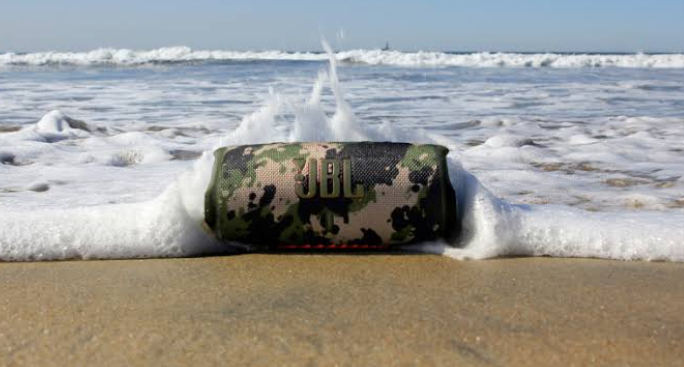
The setup: All-day outdoor gaming in high-heat, high-glare, high-social conditions. Portability matters most; setup time matters second most.
The festival kit strips down to what fits in a single backpack. Start with a rugged mid-size power station like the EcoFlow RIVER 3 Plus ($299) — small enough to carry, big enough to keep multiple devices alive through the day. Add the BigBlue solar panel ($59-79) draped over the top of your backpack to solar-charge while you walk.
Audio needs to compete with ambient chaos. The JBL Charge 5 Wi-Fi ($199) genuinely handles crowd noise; for something even smaller, the Soundcore Boom Go 3i ($79) with BassUp 2.0 pushes 92dB of party-friendly output. Heat management matters here as much as anywhere — an OPOLAR portable misting fan ($59-89) drops local temperature by 10-15 degrees Fahrenheit and can be the difference between “we lasted till sunset” and “we packed up at 2pm.”
For actual gaming, a Nintendo Switch 2 or ROG Xbox Ally handles handheld play, while UV-protective SteelSeries Arctis GameBuds ($159) or a clip-on Bluetooth speaker like the SOL Republic Punk 2 ($59) delivers audio without disturbing neighbors. Everything packs into a JSAUX bag ($25-30) built to survive being sat on, kicked, or drop-tested. Total: $800-1,200 for a full festival gaming kit that runs all day.
Scenario 5: The Balcony or Patio Setup
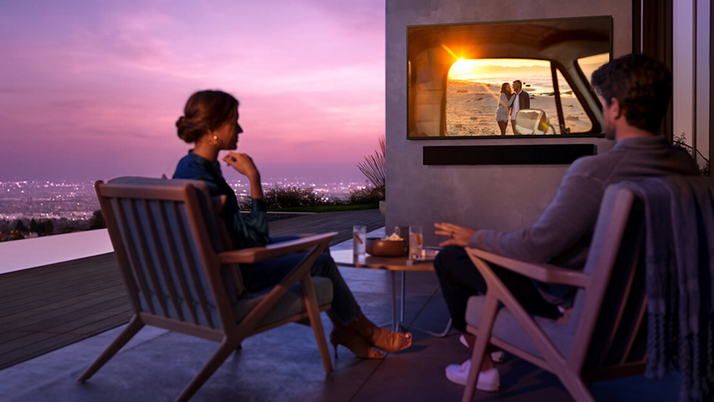
The setup: Home outdoor gaming, but limited space and no ground to run cables through. Think apartment balconies, small patios, rooftop gardens.
This scenario prioritizes vertical setup and minimal footprint. A quality portable monitor like the KYY K3 (15.6-inch, around $129) or Uperfect 16-inch ($169-249) plugs into any handheld or laptop via USB-C and delivers TV-quality visuals without needing a projector. Mount it on the NEEWER camera tripod ($59-89) at eye level from a chair, and you’ve replicated a full living-room setup in about 4 square feet.
Because you’re near power, you don’t need a full power station — a good surge protector with USB-C PD ports ($59-89) handles all your device charging needs. Audio can be a compact Bluetooth speaker like the Soundcore Boom Go 3i ($79) that fits on a patio table without dominating the space.
Two clever additions transform a balcony from “OK” to “genuinely great.” Ambient lighting via a battery-powered string light strand or portable Govee outdoor light strip ($30-50) creates evening atmosphere. And a compact outdoor rug ($30-70) adds warmth underfoot and defines the gaming space, so it feels like a designed environment rather than a random corner. Total: $400-700 for a compact but genuinely premium balcony gaming setup.
How to Build Your Outdoor Gaming Kit Strategically
Three principles that separate smart outdoor gaming setups from expensive mistakes. Match the gear to how you actually play, not how you fantasize about playing. Everyone thinks they’ll host backyard movie nights every weekend and camping trips every month. Most people don’t. Be honest about which scenarios you’ll actually use — probably one or two — and invest deeply in those instead of buying a spread that covers scenarios you’ll skip.
Start with power and audio. These two categories cross every scenario. A good portable power station and a versatile Bluetooth speaker are useful whether you’re on a balcony, in a backyard, at a beach, or camping. Buy those first and layer scenario-specific gear (projectors, screens, cooling) afterward as you confirm you actually use each scenario.
And plan for weather and glare from day one. Outdoor gaming fails most often not because of gear quality but because of environmental frustrations — sunburn, glare, humidity, wind, bugs. A $40 bug zapper, a $60 misting fan, and a $25 sun shade can be more impactful than $500 of upgraded electronics if you’re constantly getting driven inside by the environment. Solve the small annoyances first.
Final Summary: Build the Outdoor Gaming Life You Want in 2026
For most gamers, the smartest first outdoor investments in 2026 are foundational: a portable power station (EcoFlow RIVER 3 Plus is the value pick, Anker Solix C800 Plus for serious setups), a versatile Bluetooth speaker (JBL Charge 5 Wi-Fi for premium, Soundcore Boom Go 3i for budget), and weather protection (JSAUX case, sun shade, bug zapper). These three categories work across every outdoor scenario.
After that, invest based on your actual outdoor style. Backyard cinema lovers should grab a projector (XGIMI MoGo 4 Laser or Nebula Capsule Air) and a screen. Handheld-focused solo gamers should upgrade to premium wireless earbuds and consider AR glasses. Multi-day campers need solar charging and a portable monitor. Festival-goers need misting fans and portable audio. Balcony gamers should build around a portable monitor and ambient lighting. The gear itself doesn’t change your outdoor gaming — it’s matching the right gear to the right scenario that transforms an OK session into a great one. Build for the outdoor life you actually live, not the one Instagram sells you, and your gaming will follow you anywhere.